Manifesto for a Green Future – The Energy Crisis Is Not Over Yet
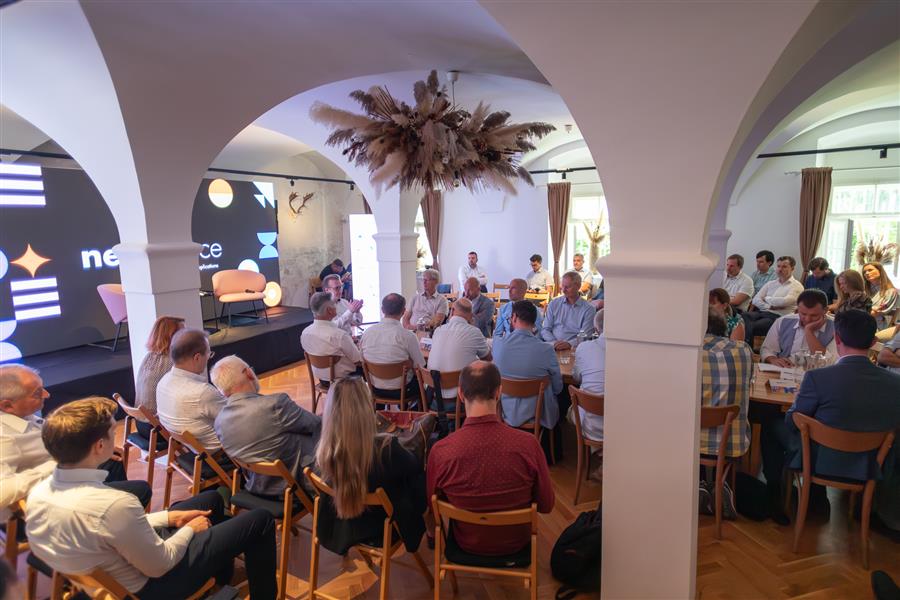
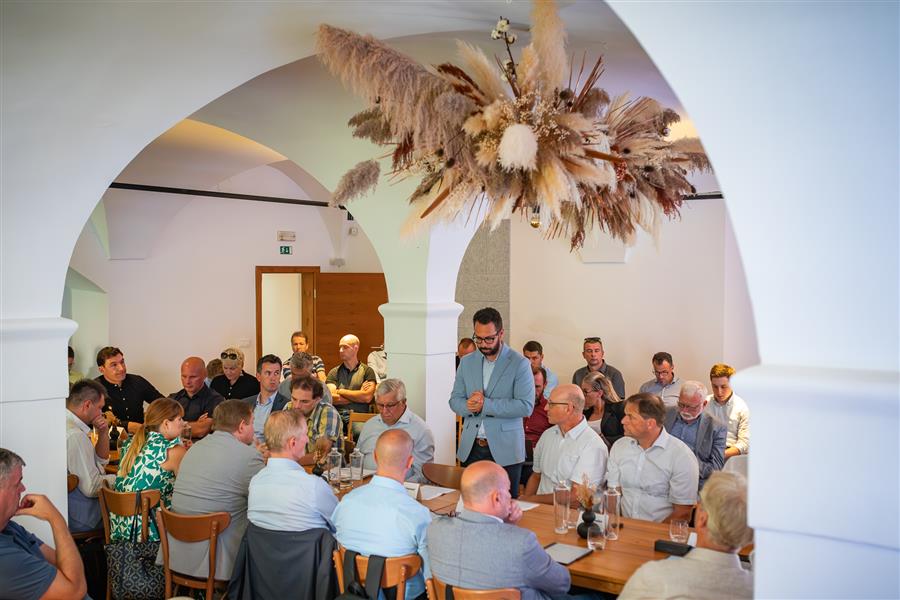
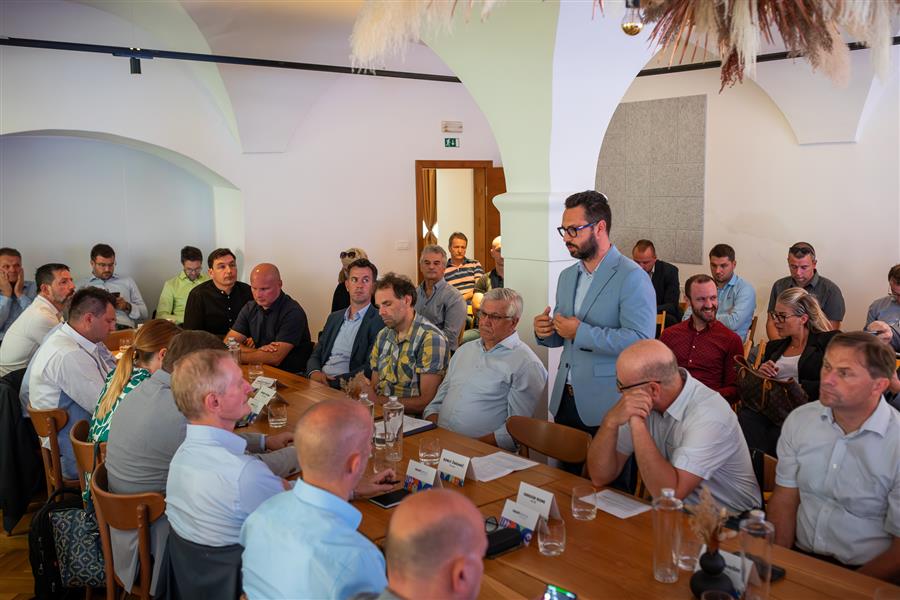
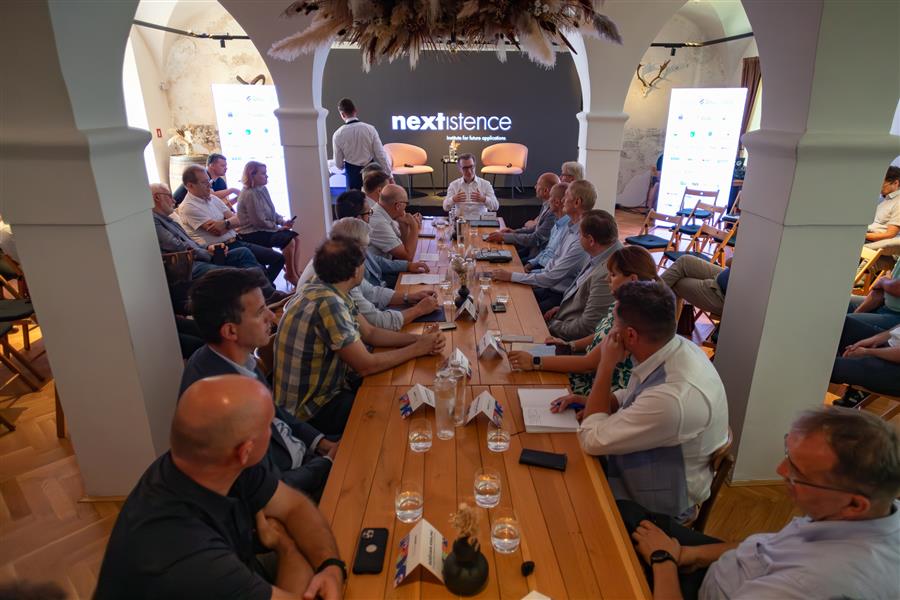
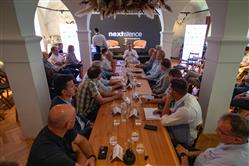
At the business forum “Digital and Green Transition in Energy Supply”, energy experts, managers of energy companies, mayors, and representatives of research institutions presented a proposed vision for Slovenia regarding the development of centralized energy systems.
Why Centralization?
Why does every house not rely on water from its own well? The answer lies in the density of energy flows within a given area. When that density reaches a sufficient scale, centralized energy systems become a key solution because they are more reliable, more flexible, and capable of ensuring long-term supply stability – both in terms of volume and cost. District heating is recognized as a particularly important solution for densely populated areas.
What Is the Vision for Centralized Energy Systems in Slovenia?
For progressive energy environments, the answer is fuel flexibility. It is important to clearly communicate to people that the conditions in which heating fuels operate are highly dynamic – both in terms of resource availability and price. Supply reliability is best achieved through diversification of energy sources.
Energy solutions must be considered from a long-term perspective and optimized both operationally and in terms of system sizing and peak capacities. Successful energy systems must meet specific operating conditions, such as:
- Availability of local energy sources
- Emission limits
- Environmental impacts
- They must also meet measurable performance indicators.
- The Energy Crisis Is Not Over
Larger Systems Offer Greater Flexibility
Larger systems are capable of integrating a wider range of energy sources in a fully controlled and manageable way, including biomass. Progressive energy systems are never dependent on a single fuel source.
They support:
- Waste-to-energy solutions
- Use of industrial excess heat
- Hydrogen as a heating fuel, including in combination with natural gas
- Cogeneration using domestic resources
- Digitalization and Connectivity
Digitalization measures must always be purpose-driven and linked to real use cases.
People Must Come First
When developing centralized systems, ownership models and their limitations must be addressed transparently. People must be placed first, because only in this way can an appropriate level of trust be ensured in the development of energy systems. The social acceptance of centralized energy development remains one of the key challenges.
Building Renovation Is Part of the Transition
Building renovation is an essential part of energy system transformation. Experience from climate-neutral city missions shows the importance of quantifying measures so that different energy-efficiency actions, supply systems, and delivery solutions can be compared on a common basis. The development of centralized systems therefore requires effective monitoring and quantification of target impacts.
Financing Centralized Systems
In progressive energy environments, centralization is encouraged by ensuring that green centralized systems are more cost-effective than fossil alternatives, supported through tax mechanisms. Green centralized systems must make economic sense immediately. EU financial incentives are currently at historically high levels, but careful allocation is needed to ensure investments reach users effectively and generate adequate returns. Subsidies for individual solutions must be balanced with support for community-based systems. Long-term supply stability must also be financially valued.
Transitional Solutions Matter
Transitional solutions are an important step toward final solutions. They must be designed boldly and intelligently to encourage communities to move toward long-term outcomes.
Simple solutions for the transition to carbon-neutral systems should always be questioned.
We must focus on medium- and long-term solutions, prioritize Slovenia’s energy independence, and carefully manage users’ transition from one fuel source to another.
This includes:
- Bold restructuring of the gas network
- Strategic expansion of district heating systems
- Transition of 120,000 individual biomass heating units
- Careful management of fuel quality used in community boiler systems
Forward-looking mayors understand the importance of energy policy, which today ranks among the top development priorities of municipalities. Their efforts can be supported through the National Energy and Climate Plan (NECP), linked with Local Energy Concepts (LEKs). The Ministry needs examples of good practice. With 250 municipalities in Slovenia, successful models must be shared more widely. The Minister must gain better insight into the gap between desired and actual practice – this is the basis for preparing a national heating and cooling strategy. Such a strategy should also include the greening of gas systems. Only in this way can Slovenia move beyond the current situation, where there are not enough ready-to-implement projects. The business forum “Digital and Green Transition in Energy Supply” took place on 19 June 2024.
--
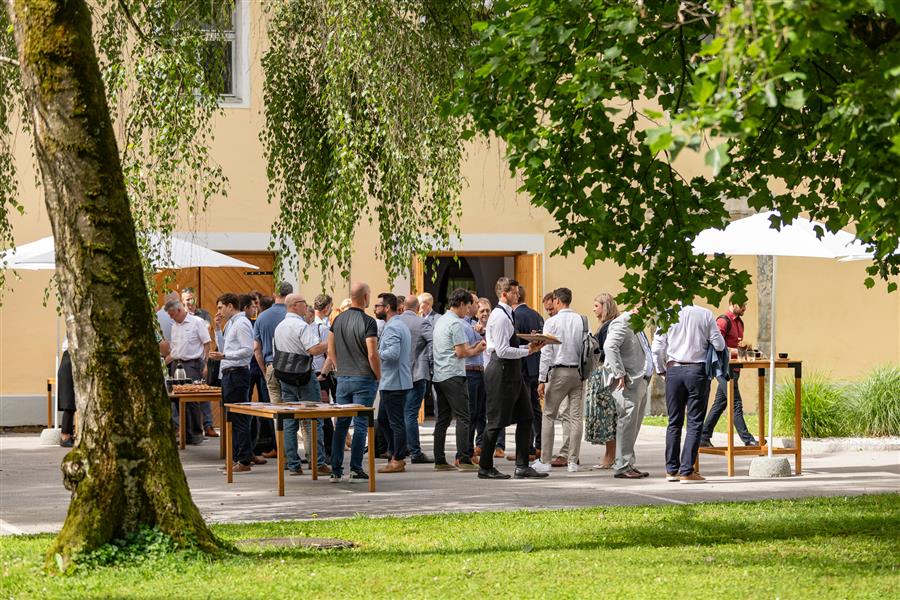
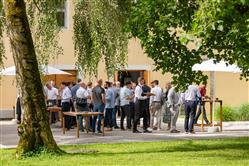
The choice of venue – the Baroque park and estate of Novo Celje, where the sustainably oriented Michelin Green Star restaurant Galerija okusov is located – was no coincidence, as the same business complex is also home to one of Slovenia’s largest and most advanced education and presentation centers for new technologies: the Demo Consulting Academy Center of the Nextistence Institute.